
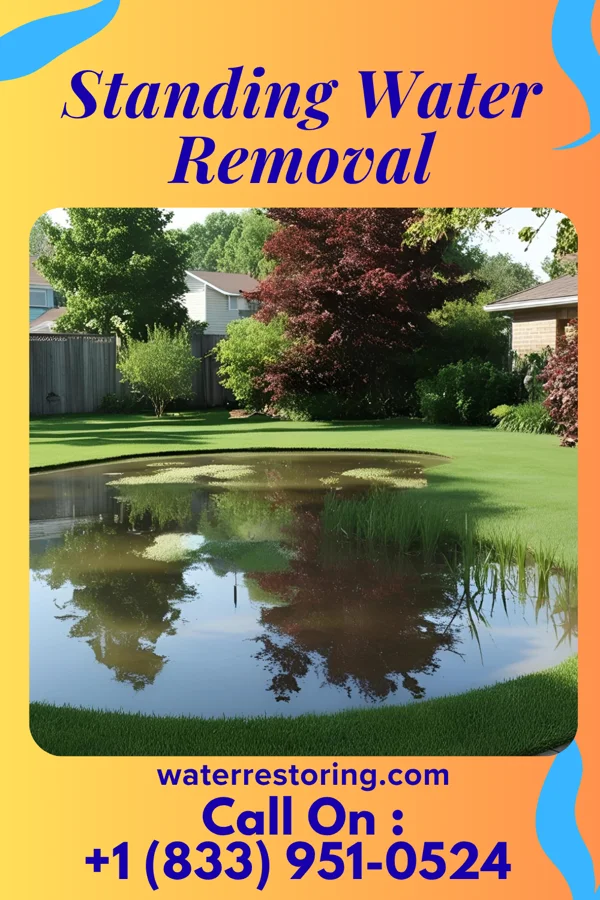
Ground-Water Standing Water in Atlantic City
Water damage in Atlantic City tends to cluster in predictable windows because of the local climate. In Atlantic City, water damage is often caused by storm surges and flooding due to its coastal location, as well as leaking plumbing in older buildings. The city's proximity to the ocean and frequent severe weather events contribute to sudden water intrusion in residential and commercial properties. A close second is Secondary causes include burst pipes, roof leaks from heavy rainfall, and malfunctioning HVAC systems. Additionally, the city's aging infrastructure can lead to water infiltration in basements and lower levels of buildings..
Atlantic City's coastal climate exposes it to high humidity, saltwater intrusion, and extreme weather events like hurricanes and nor'easters. These factors increase the risk of prolonged water damage and mold growth, requiring specialized restoration techniques.
Atlantic City's coastal climate exposes it to high humidity, saltwater intrusion, and extreme weather events like hurricanes and nor'easters. These factors increase the risk of prolonged water damage and mold growth, requiring specialized restoration techniques. The dominant local driver is In Atlantic City, water damage is often caused by storm surges and flooding due to its coastal location, as well as leaking plumbing in older buildings. The city's proximity to the ocean and frequent severe weather events contribute to sudden water intrusion in residential and commercial properties., with Secondary causes include burst pipes, roof leaks from heavy rainfall, and malfunctioning HVAC systems. Additionally, the city's aging infrastructure can lead to water infiltration in basements and lower levels of buildings. showing up as the next most common cause. Damage builds in stages. Spread. Absorption. Microbial growth. Structural compromise. Every stage you pass through adds to the final bill.
For public guidance on the health effects of mold after prolonged water exposure, see the EPA mold and health page.